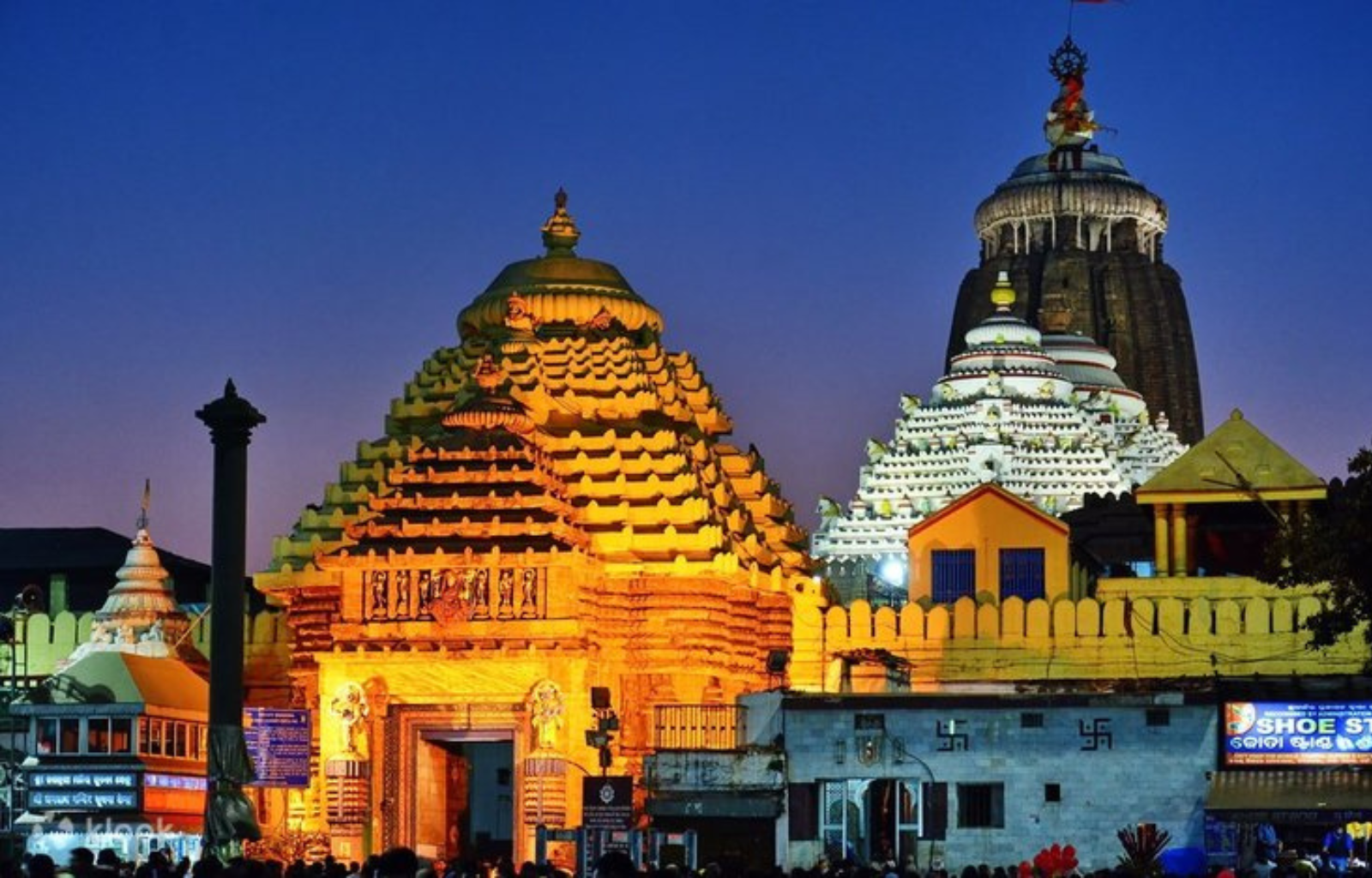
Nestled on the shores of the Bay of Bengal in Puri, Odisha, the Lord Jagannath Temple stands as one of India’s most revered and enigmatic pilgrimage sites. Known not only for its architectural grandeur but also for its rich spiritual heritage and unique rituals, this temple is a divine marvel that continues to captivate devotees and historians alike. Wrapped in centuries of mystery and devotion, the Jagannath Temple remains a beacon of faith, culture, and tradition.
The Spiritual Heart of Odisha

The Lord Jagannath Temple is dedicated to Lord Jagannath, a form of Lord Vishnu or Krishna, worshipped along with his siblings Balabhadra and Subhadra. The temple is one of the Char Dham pilgrimage sites, making it an essential spiritual destination for Hindus. The deities’ distinct wooden idols, unlike the typical stone statues seen in most Hindu temples, add to the temple’s unique charm and mystique.
Architectural Grandeur with Symbolic Depth
Built in the 12th century by King Anantavarman Chodaganga Deva of the Eastern Ganga dynasty, the temple is an architectural masterpiece of Kalinga style. Its massive structure, towering Vimana (shrine tower) rising about 65 meters, intricate carvings, and sprawling complex reflect both artistic brilliance and religious symbolism.
Every element of the temple—from the gates to the temple kitchen, famously known as the world’s largest free kitchen (Anna Dana)—is steeped in cultural significance. The temple complex is vast, housing multiple smaller shrines and sacred tanks.
Mysteries and Legends Surrounding the Temple
The Jagannath Temple is surrounded by many fascinating legends and mysteries:
- The Origin of the Deities: According to mythology, the idols were carved from a special neem tree called Daruka, and their faces are intentionally incomplete, symbolizing the incomprehensible and infinite nature of the divine.
- The Kitchen Wonder: The temple kitchen is said to prepare meals daily for over 100,000 devotees, all cooked using traditional methods without modern machinery, considered a miraculous feat.
- Rath Yatra — The Grand Chariot Festival: The temple’s annual Rath Yatra, where the deities are paraded in massive wooden chariots through the streets of Puri, is a spectacle unlike any other. This tradition is a profound symbol of divine accessibility and communal unity.
Unique Traditions and Rituals

What makes the Jagannath Temple truly special are its distinct rituals that differ from typical Hindu worship. The deities are made of wood and are periodically replaced in a secretive ritual called Nabakalebara (the “New Body” ceremony) every 12 to 19 years, where the old idols are buried in the temple premises, and new ones are carved. This sacred event is shrouded in mystery and attended by thousands of devotees.
Moreover, the temple follows a strict daily routine of worship, food offerings, and rest, all governed by ancient scriptures and traditions passed down through generations.
Spiritual Significance and Pilgrimage
The temple is a magnet for pilgrims from all over India and the world. It represents a unique confluence of Vaishnavism, tribal customs, and local Odia culture. The belief that Lord Jagannath is a universal deity transcends caste and creed, welcoming all who seek his blessings.
Preserving Heritage Amid Modern Times
Despite the temple’s ancient roots, it continues to thrive in modern times, balancing tradition with the needs of contemporary pilgrims. Efforts are ongoing to preserve the temple’s architecture, rituals, and surrounding environment while managing millions of visitors annually.
Visiting the Jagannath Temple

Puri and the Jagannath Temple can be visited year-round, but the best time is during the Rath Yatra festival (usually in June/July) or during winter months (October to February) when the weather is pleasant. Visitors should note that non-Hindus are not allowed inside the main temple sanctum but can explore the temple’s outer areas and the vibrant market nearby.
Conclusion
The Lord Jagannath Temple of Puri is far more than a religious site; it is a living symbol of devotion, mystery, and cultural richness. Its divine aura, unique traditions, and architectural splendour make it a marvel that continues to inspire awe and reverence. For seekers of spirituality, history, and culture, the temple offers an unforgettable journey into the heart of Odisha’s soul.